
What Is a Filter? The Role of Industrial Filtration in System Performance
What Is a Filter?
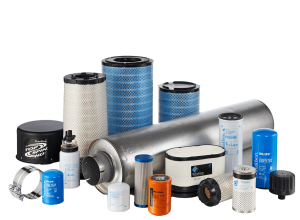
A filter is a critical component used in industrial systems to remove unwanted particles from air, oil, fuel, and hydraulic fluids. These particles may include dust, metal debris, soot, sludge, and other contaminants. The filtration process prevents these harmful elements from circulating within the system, helping protect equipment and maintain stable operation.
In heavy-duty machinery and industrial applications, filters play a direct role in maintaining the health of engines and system components. When the correct filter is not used, system performance declines, wear accelerates, and the risk of failure increases. For this reason, filters should not be seen as simple consumables, but as essential elements that support efficiency, safety, and long-term durability.
Industrial filters are specifically designed to withstand harsh operating conditions. High dust environments, extended working hours, temperature fluctuations, and heavy loads all directly impact filtration performance. Under these conditions, filters must deliver durability, precise filtration, and long service life.
What Do Industrial Filters Do?
The primary function of an industrial filter is to prevent harmful particles from reaching sensitive and critical components within a system. Contaminants such as dust, metal particles, or impurities in fuel can lead to surface wear, blockages, and performance loss over time. By capturing these particles, filters ensure smoother and more efficient system operation.
Key benefits of industrial filtration include:
- Extending the lifespan of engines and equipment
- Maintaining consistent system performance
- Improving fuel and energy efficiency
- Reducing maintenance and repair costs
- Supporting operational continuity
For example, air filters clean the air required for combustion, directly affecting engine efficiency. Oil filters remove sludge and metal residues from engine oil, ensuring proper lubrication. Fuel filters protect injectors and pumps from contamination. Hydraulic filters help maintain pressure balance and fluid purity in sensitive hydraulic systems.
Types of Industrial Filters
Industrial filters are manufactured in different types depending on their application and system requirements. The most common types include air filters, oil filters, cabin filters, fuel filters, and hydraulic filters.
Each filter type is designed for a specific function and operates with different filtration precision levels. For instance, air filters handle high-volume airflow, while hydraulic filters are engineered to capture much finer particles.
Filters used in heavy equipment are developed to withstand continuous operation and demanding field conditions. Equipment such as excavators, forklifts, loaders, generators, and trucks rely heavily on filtration quality. Therefore, selecting the right filter involves not only size compatibility but also technical specifications and performance standards.
Why Is Filter Replacement Important?
Every filter has a defined service life, and once this limit is reached, its ability to perform effectively decreases. Over time, accumulated particles clog the filter media, reducing filtration efficiency.
A clogged or saturated filter no longer protects the system and instead creates additional strain. This can lead to reduced engine performance, increased fuel consumption, and accelerated wear of system components.
Timely filter replacement helps extend equipment life and prevents unexpected failures. For industrial operations, this is crucial in maintaining productivity and controlling maintenance costs.
How to Choose the Right Industrial Filter
Selecting the correct filter is a technical decision that directly impacts system performance. Key factors to consider include:
- Micron rating (filtration precision)
- Filtration capacity
- Operating temperature compatibility
- System and equipment compatibility
Additionally, environmental conditions such as dust levels, humidity, and machine workload play an important role in the selection process. Choosing the wrong filter can lead to short-term inefficiencies and long-term equipment damage.
Working with an experienced and reliable supplier is essential to ensure access to the right filtration solutions for your specific application.
The Role of Filtration in Industrial Systems
Although often perceived as a small component, a filter has a significant impact on the overall performance and sustainability of industrial systems. A properly selected and regularly maintained filter protects internal components, reduces failure risks, and extends equipment lifespan.
For this reason, filtration should be considered a strategic factor in achieving operational efficiency, cost control, and system reliability in industrial environments.